
Your Health, Our Priority





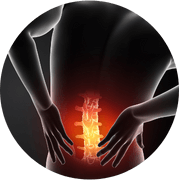
 Rheumatoid arthritis (RA) is a chronic autoimmune disease that causes the immune system to attack healthy joint tissue, leading to pain, swelling, stiffness, and reduced mobility. Without proper treatment, RA can result in joint deformities and long-term disability. Early diagnosis and specialized care are essential to prevent joint damage and improve quality of life. If you’re experiencing persistent joint pain, morning stiffness, or fatigue, seeking expert rheumatology care can make all the difference.
 Dry eyes and dry mouth are just the beginning of this autoimmune disorder. Sjögren’s syndrome can cause fatigue, chronic pain, and organ damage. If your eyes burn or your mouth feels like a desert, we provide cutting-edge treatments to improve moisture production and reduce inflammation.
 GPA (Granulomatosis with Polyangiitis)
 Osteoarthritis (OA) is the most common type of arthritis, affecting millions worldwide. It occurs when the protective cartilage that cushions the ends of bones wears down over time, leading to joint pain, stiffness, and swelling. OA most commonly affects the knees, hips, hands, and spine, causing reduced mobility and a decreased quality of life.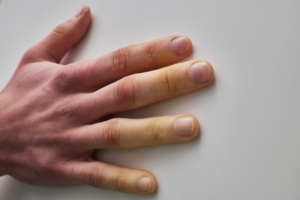

Real Stories of Care, Compassion, and Healing
What Our Patients Say
★★★★★
I am very thankful to have met Dr. Fabiola Gamarra-Hilburn she quickly assessed the situation correctly the first time instructing me well giving me only what was needed now thankfully I am on the way to regaining my original crushing grip strength before this all started. – Jonathan
★★★★★
Dr.Gamarra-Hilburn and staff are friendly and professional. I highly recommend her. She really cares for her patients. – Diana
★★★★★
She spends time with you and goes over all issues. Appointments have been on time. I will definitely be back and would recommend. – Patty
★★★★★
Dr. Hilburn is a great doctor. She has taken great care of me and I highly recommend her. – Richard
★★★★★
She has been nothing short of amazing and I’m incredibly happy with having her as a part of my care. She changed my diagnosis at my 1st appt, I was being treated for RA and PSA before, and she began a new treatment for just PSA and I have felt better over the past 2 months than I have in years. I would highly recommend Dr Gammara-Hilburn to anyone – Stephanie
★★★★★
When I saw Dr. Gamarra the first time I was in so much pain I could barely move. She was so understanding and compassionate. She did a thorough exam and was able to diagnose and treat my condition and I am now almost pain free. – Debbie
★★★★★
"I have been seeing Dr. Gamarra-Hilburn for a little over a year now. I am so grateful to her and her staff. She is one of the very few doctors who will listen to me and my concerns about my health. I feel that she genuinely cares about me and my health. I have great confidence in her and her abilities to treat my condition. I highly recommend her to anyone needing a Rheumatologist." – T.
★★★★★
"Dr. Gamarra has been so gracious and caring since my first visit. She's shown true interest in my medical issues and thoroughly reviews my test results and her findings with me. I'm seen promptly for my appointments with the efficiency of her staff." – Kathy
★★★★★
"She and her staff are amazing. Dr. Gammara-Hilburn is so kind and warm. She's very knowledgeable and takes all the time needed to explain things. It's a plus that I NEVER wait more than 15 minutes to see her. I definitely recommend!" – Maggie
Contact Us
We’re Here to Help
Please note, this form is for new patients only. If you are an existing patient of Indiana Rheumatology & Infusion Center, please click here to access the Patient Portal.
About Us
Indiana Rheumatology and Infusion Center uses the latest innovations in rheumatology to provide compassionate, cutting-edge care in a welcoming environment. Our infusion center serves rheumatology and other specialties in collaboration.